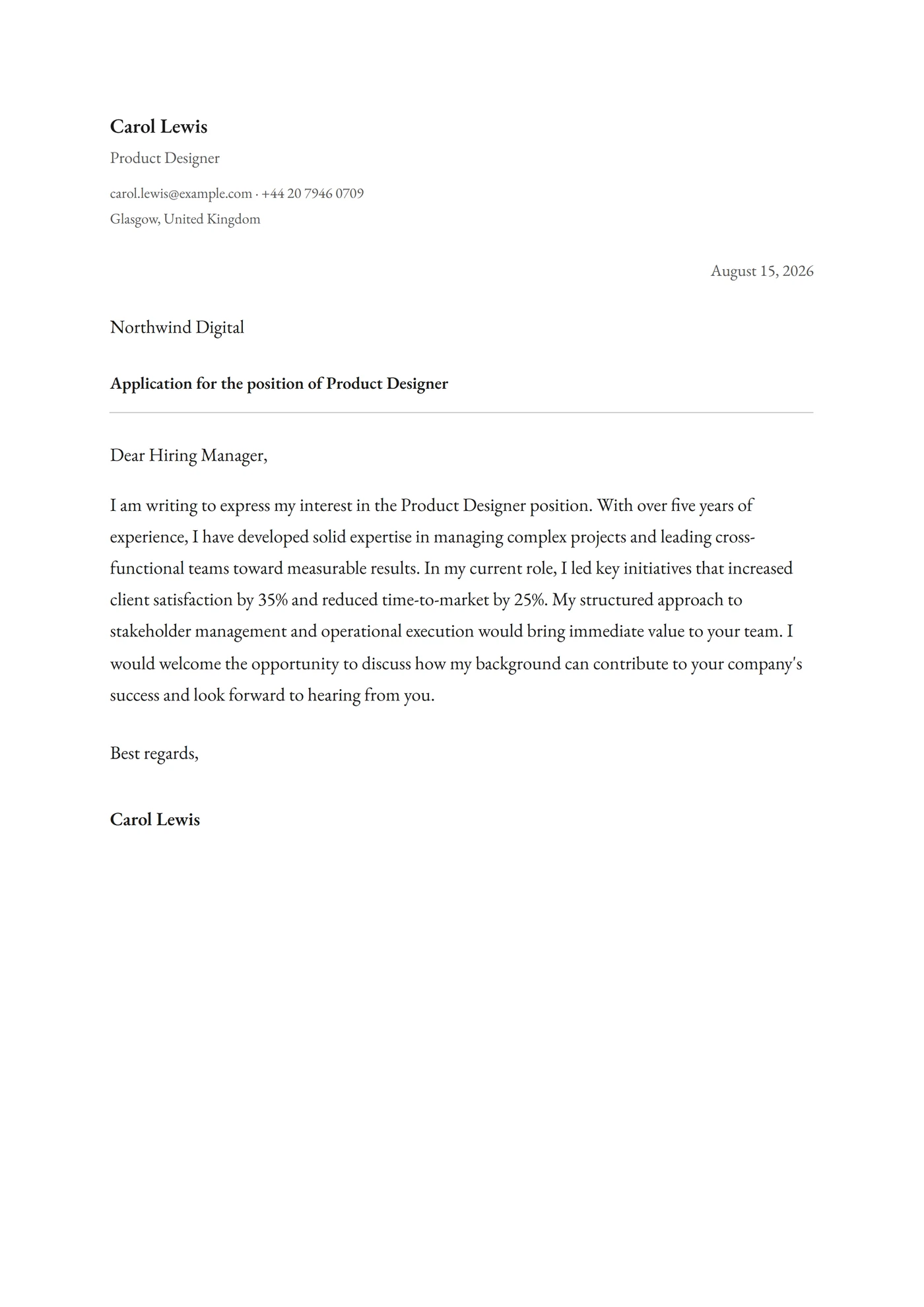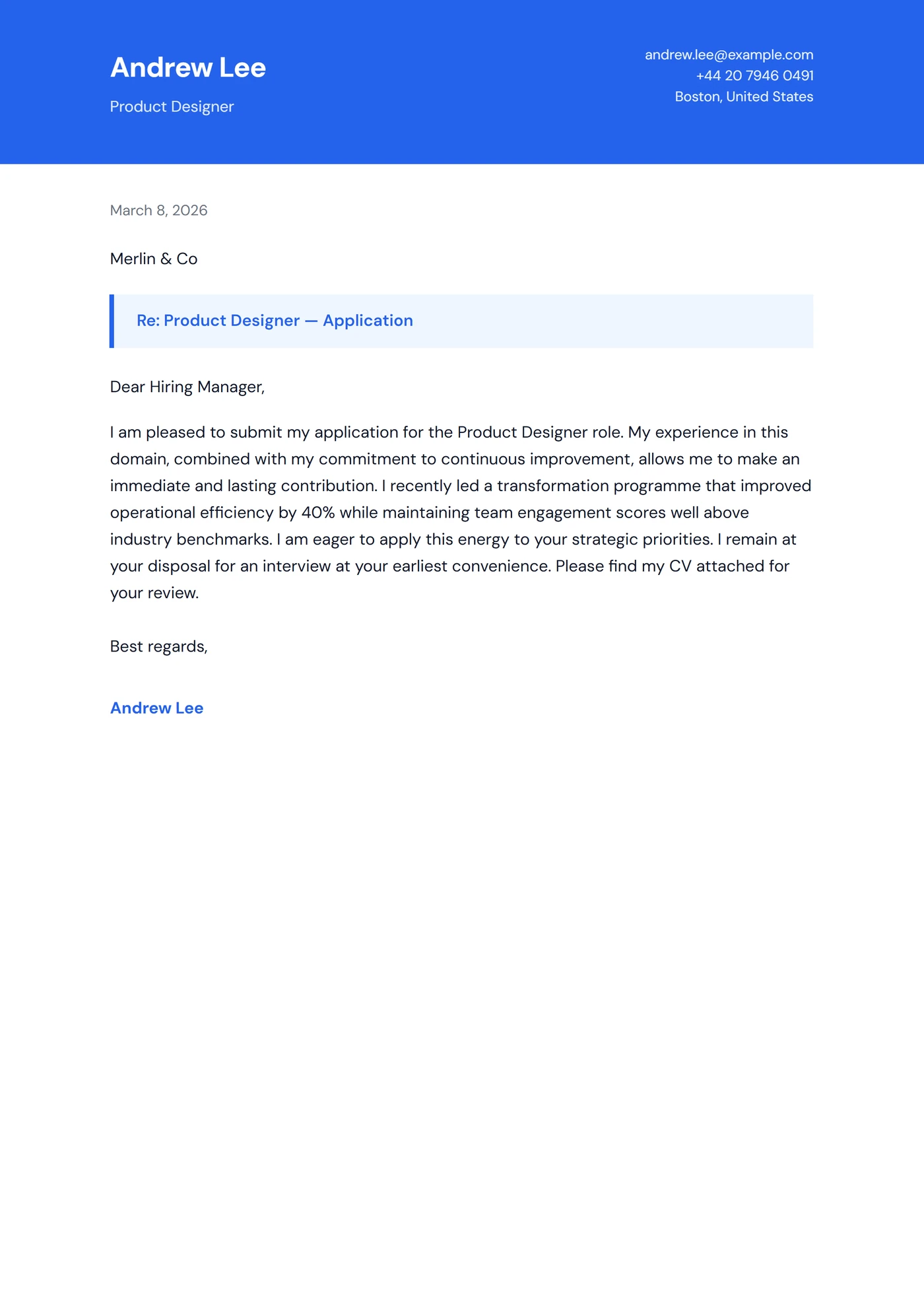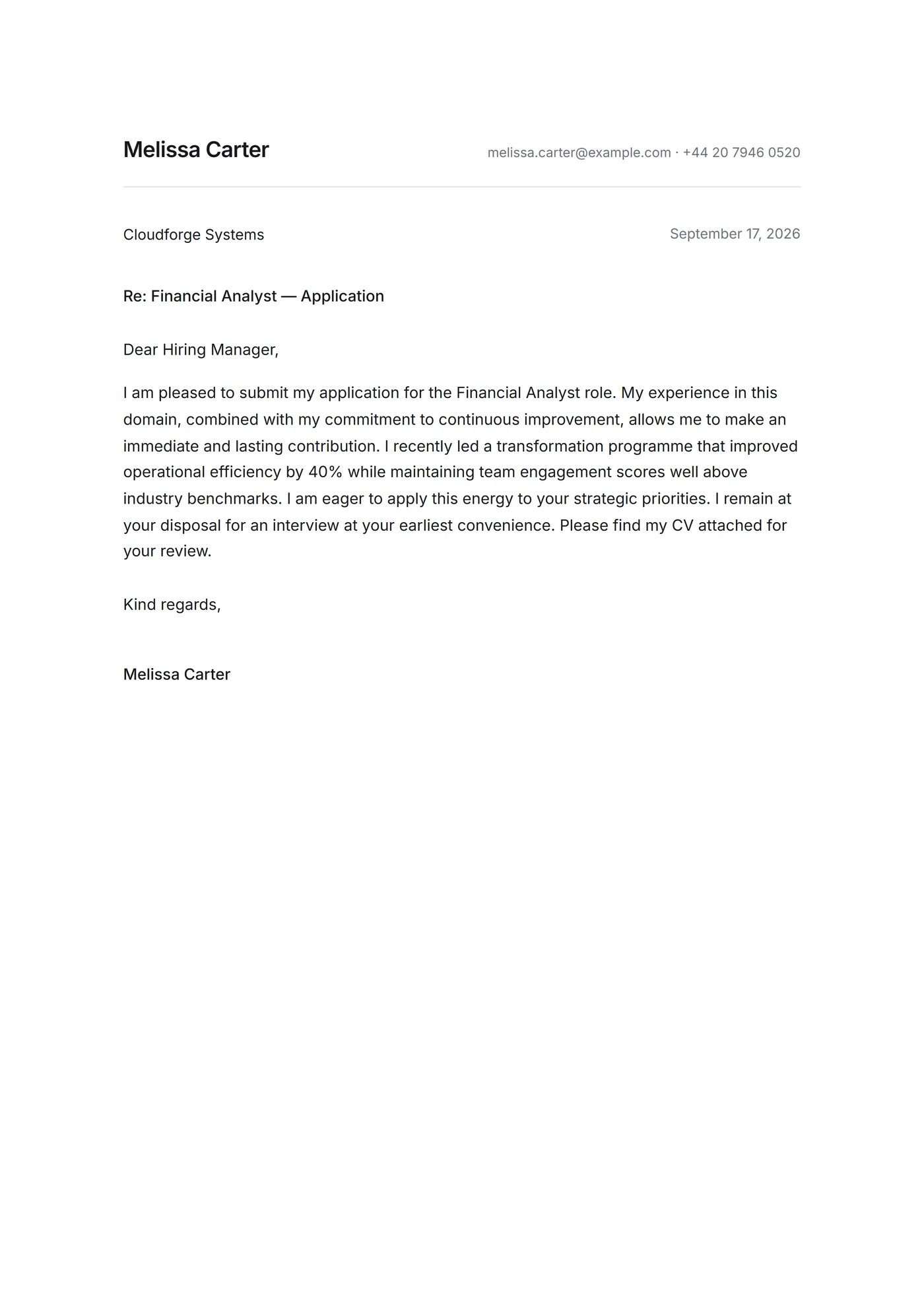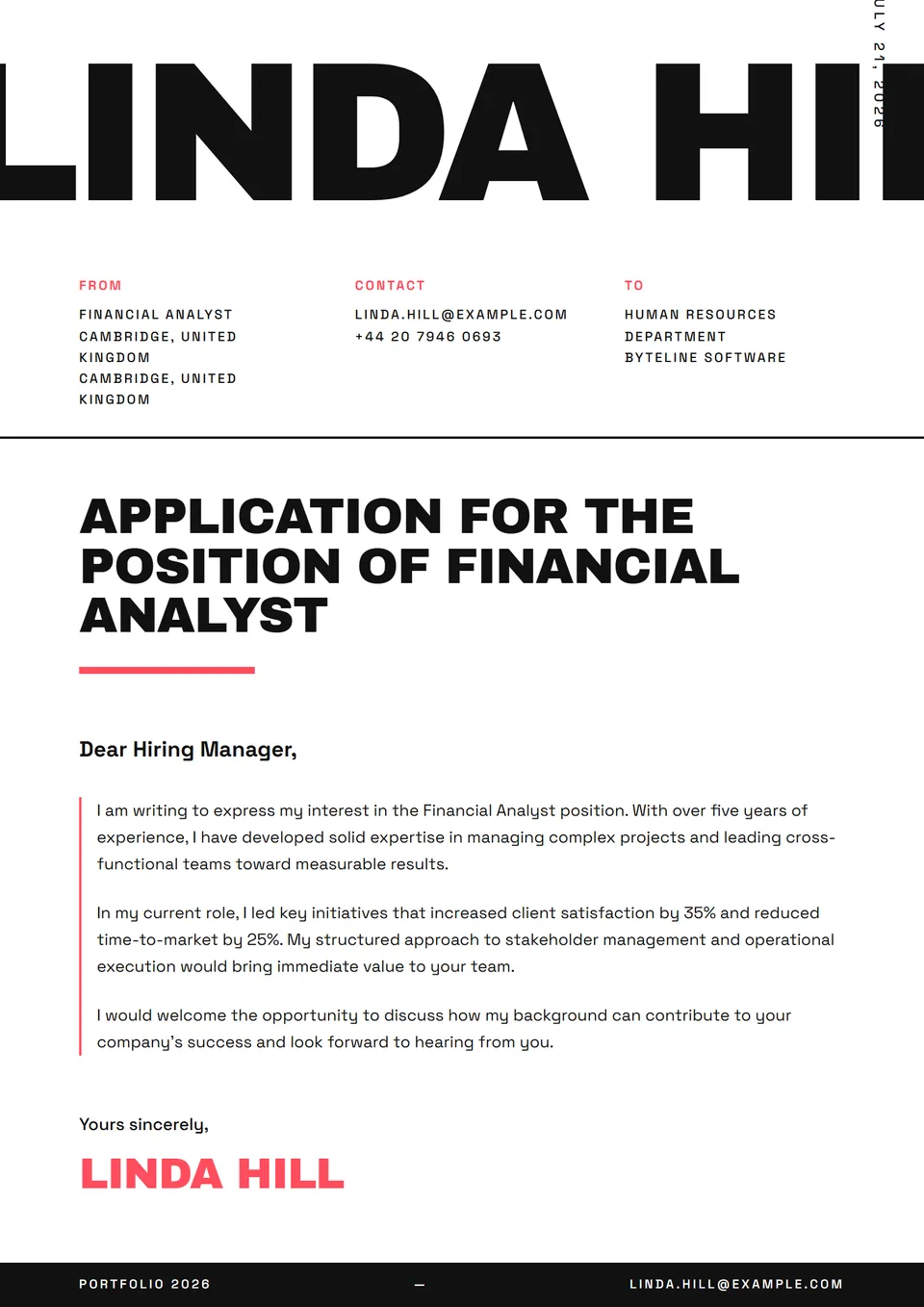
About this template
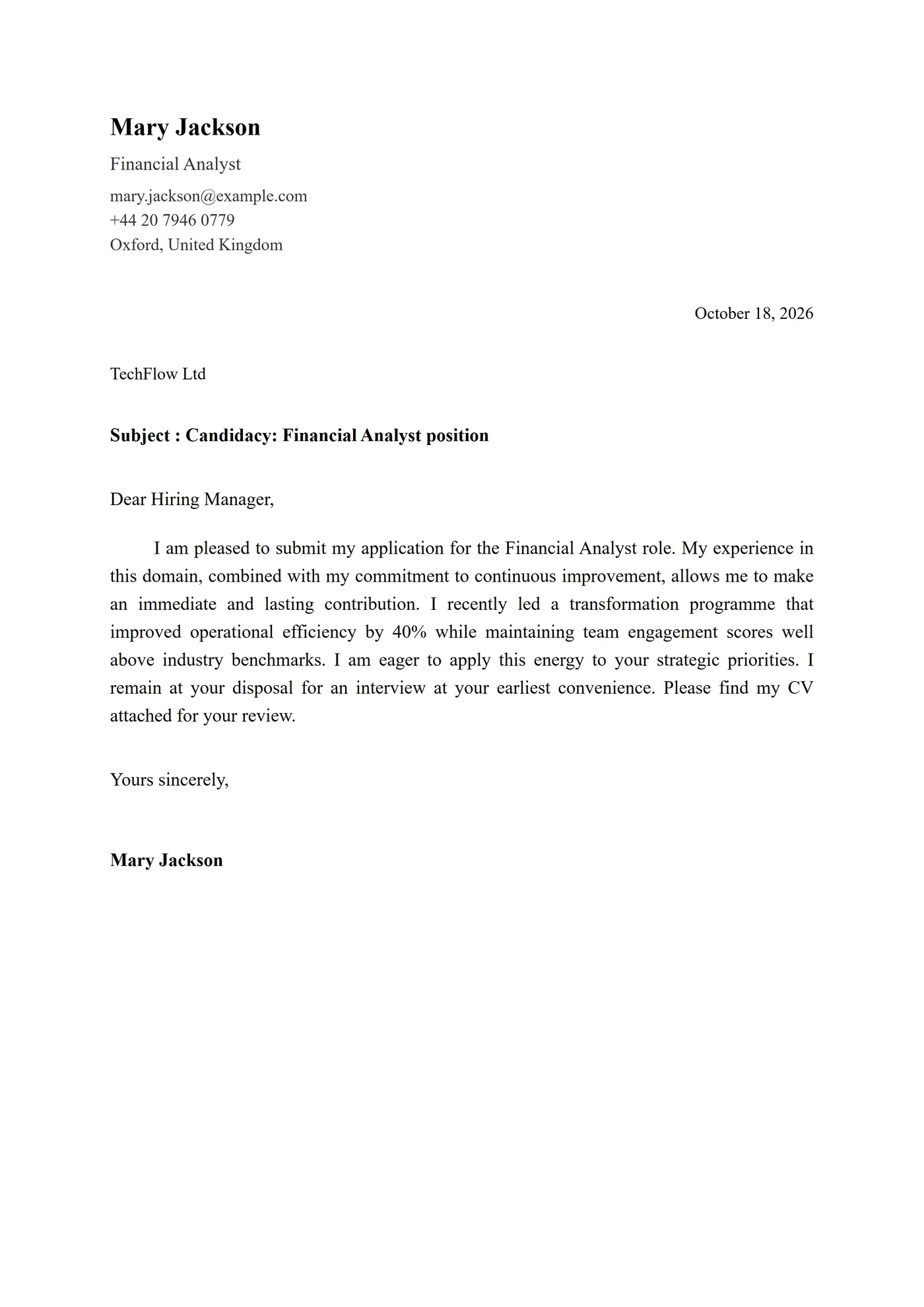
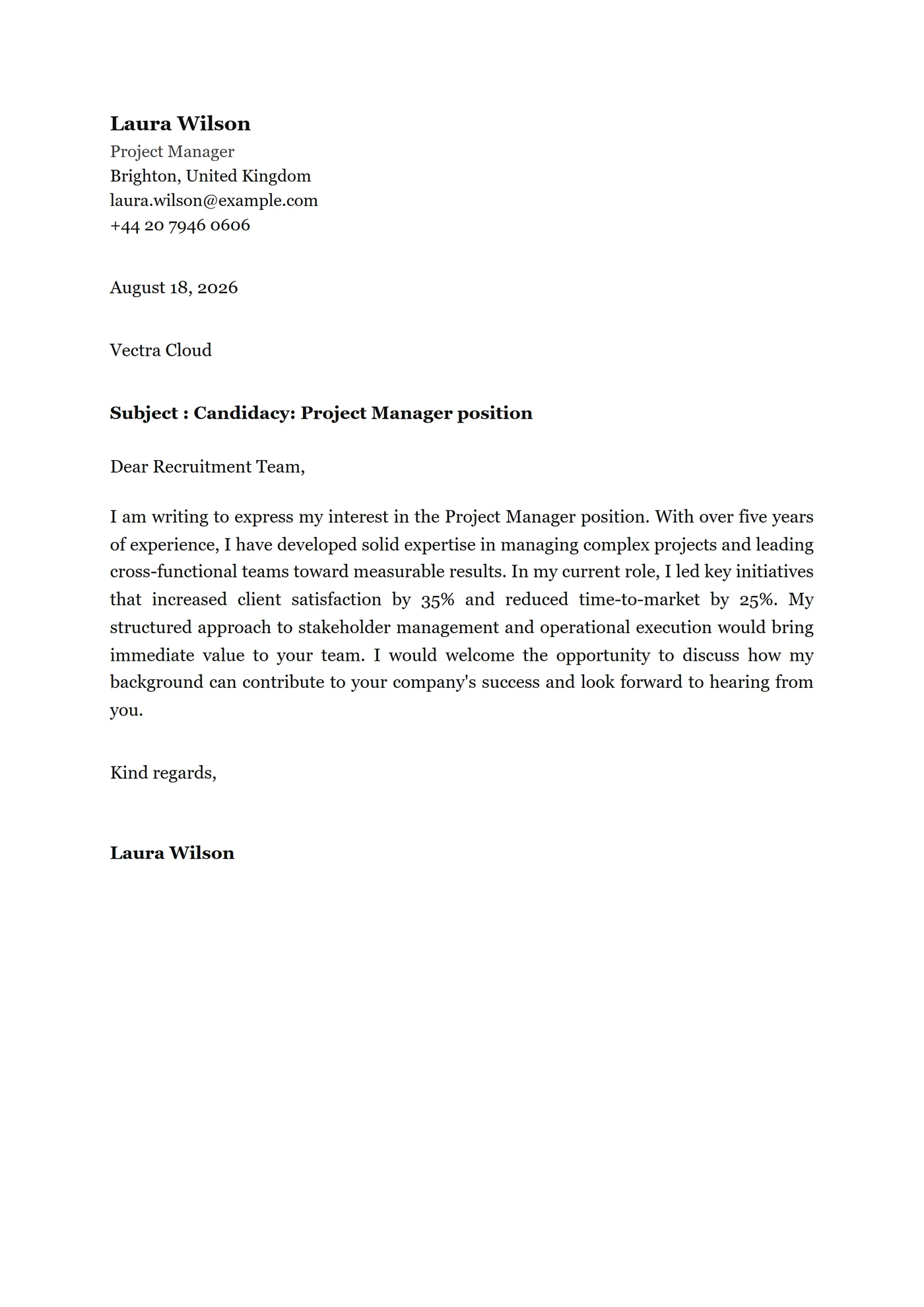
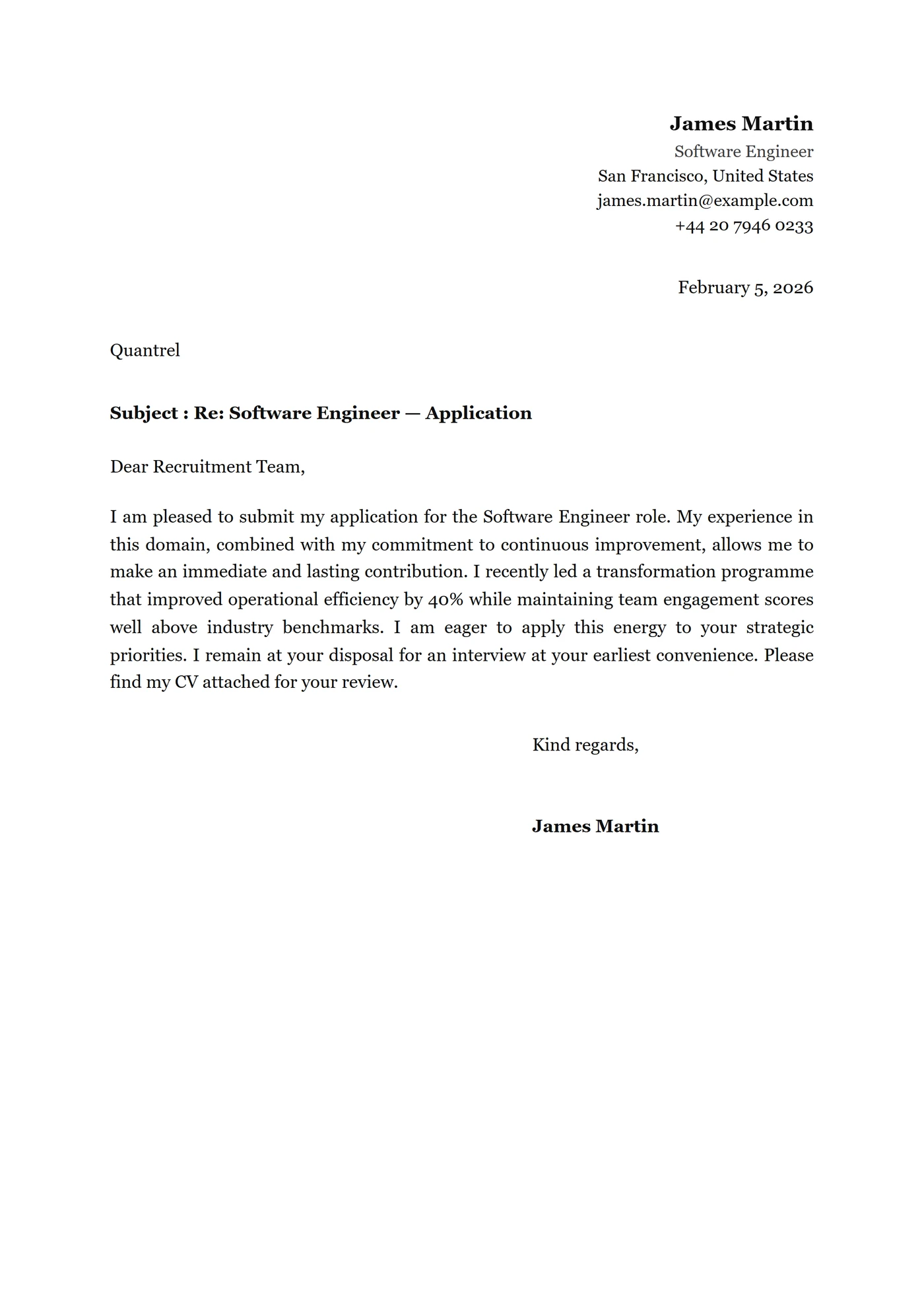
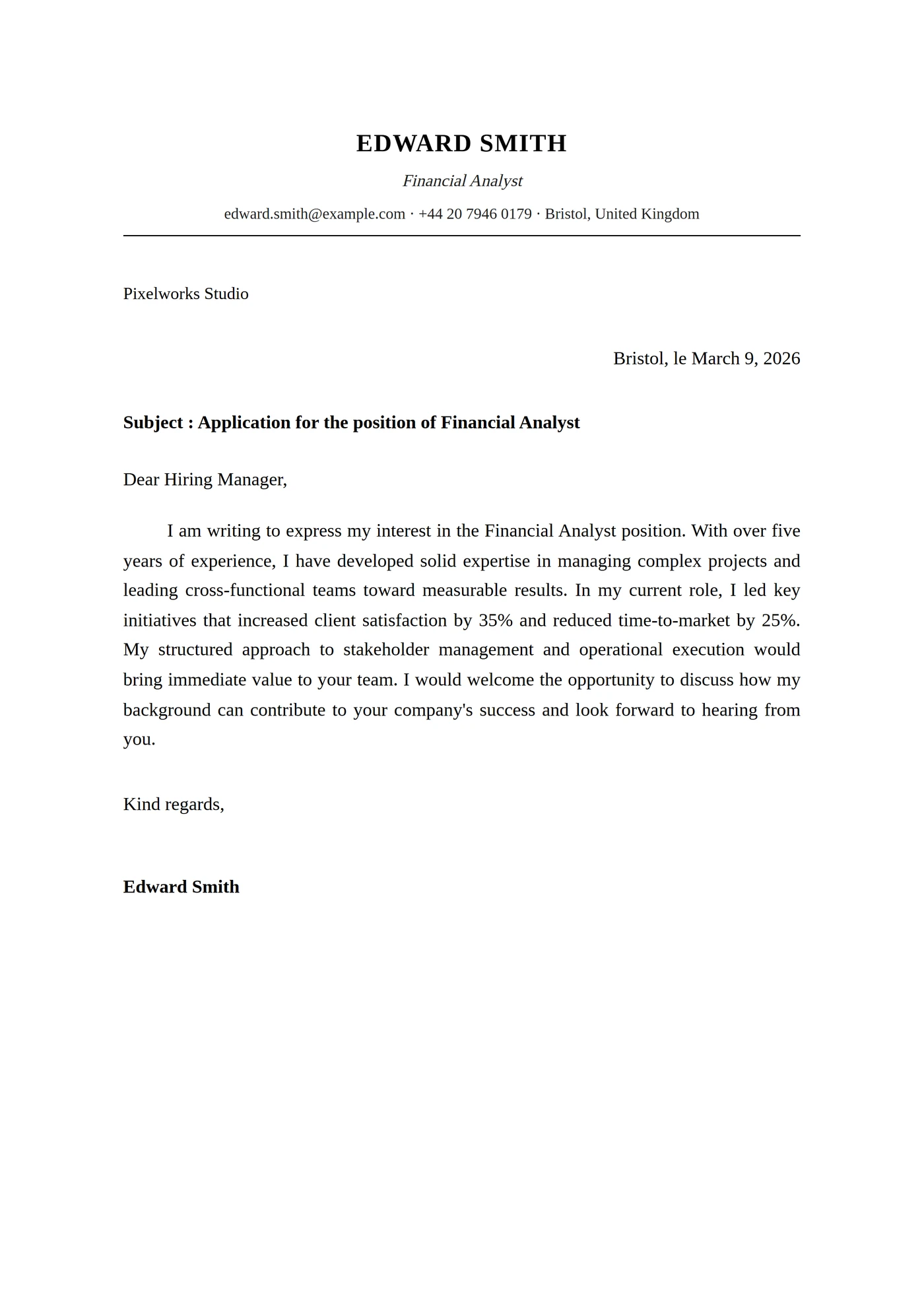
The Classic Typeset template follows the conventions of fine book typesetting — Linotype Sabon body, true small caps, optical letter-spacing, hanging punctuation and ranged-left alignment without indents. Reads as the work of someone who notices kerning before content. Compatible with ATS systems at book publishers and type foundries (Greenhouse, Lever at independent publishers; Workday at Penguin Random House, HarperCollins, Hachette; in-house portals at Monotype, Adobe Type, Hoefler & Co).
Who is it for?
It suits book designers, type designers, typographers, fine-press publishers (the Folio Society, Arion Press, Foolscap Press) and applicants to type foundries (Monotype, Adobe Type, Hoefler, Frere-Jones, Production Type, Klim Type Foundry, Commercial Type) and design schools (Reading MA Type Design, Type@Cooper, KABK The Hague). Niche but powerful for the right addressee — out of place outside type-aware fields.
How to use it
Respect fine composition: true small caps for acronyms (RIBA, AIGA, ATypI, ISTD), italics for book titles, thin spaces before doubled punctuation marks. The opening paragraph may cite a typographic detail on a project of the recipient ("the note on the gauge of the Doves Type revival at your foundry made me revisit the cataloguing of the 1903 specimen") provided it pivots to a concrete competence. Mention composition tools (Glyphs, FontLab, Robofont, InDesign, LaTeX/ConTeXt for scholarly) and classification systems mastered (Vox-ATypI, IBM Plex, the British Standards 2961).
Frequently asked questions
What file format for a foundry application?
PDF for the letter, PDF + .otf/.ttf specimens for the portfolio. For Monotype, Hoefler, Klim or Commercial Type, attach 2-3 specimens of typefaces you have drawn yourself. For book designers, the portfolio as a PDF of 8-12 double-page spreads on Issuu or via direct link works.
Should I mention my tools?
Yes briefly in paragraph 2 or 3. Glyphs + FontLab are expected for type designers. For book designers: InDesign + Affinity Publisher + knowledge of LaTeX/ConTeXt for scholarly editions. Skip the exhaustive list — cite only what distinguishes you (custom Python scripts, Robofont workflow customisations, ConTeXt for critical editions).
Is the Classic Typeset too ostentatious outside typography?
Yes, outside the field. For a general publishing application, prefer letter-classic-bookman or letter-elegant. Typeset is a very specific signal read by other typographers — using it outside their gaze falls flat or worse, reads as pretentious to a non-specialist HR reader.