About this template
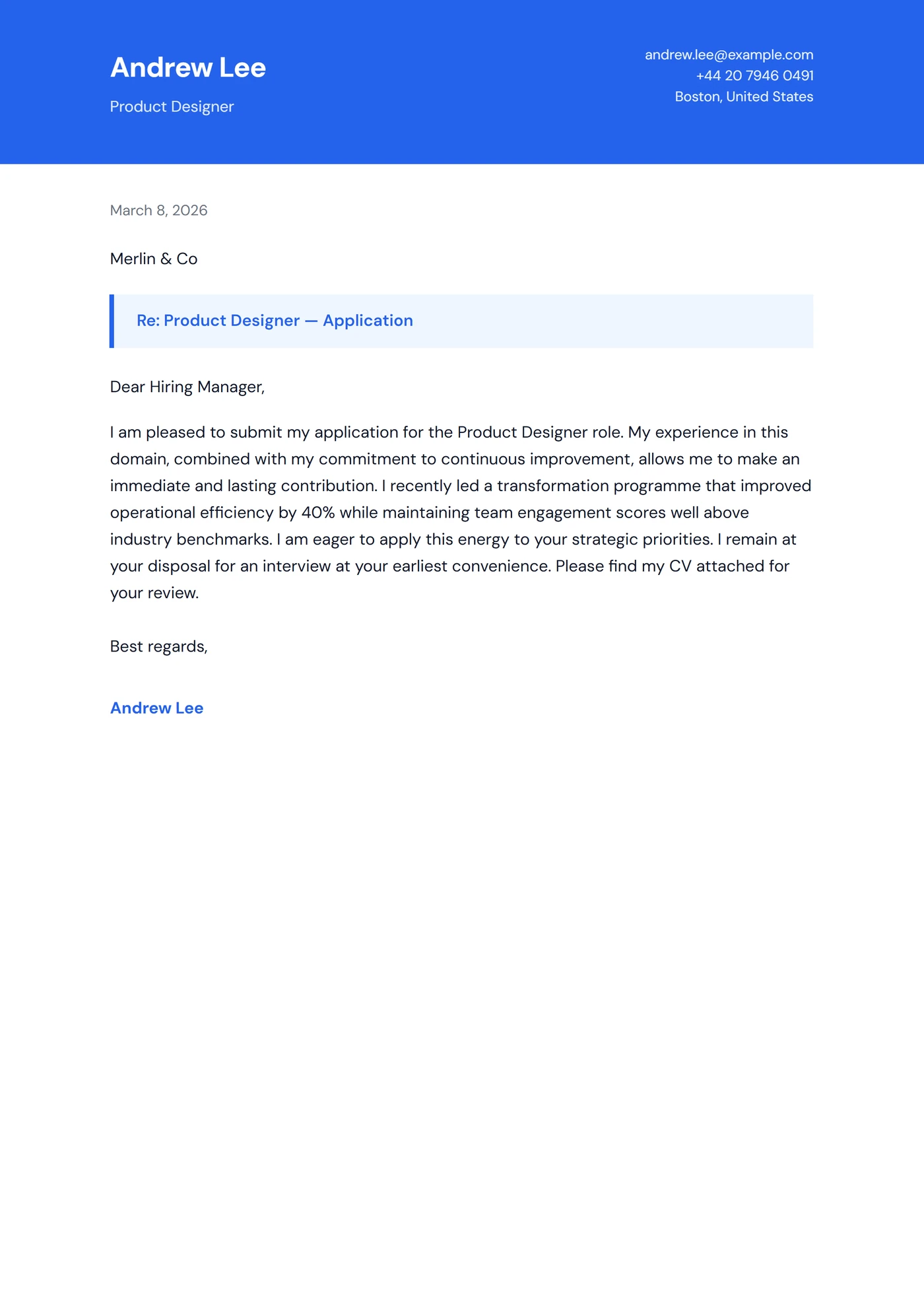
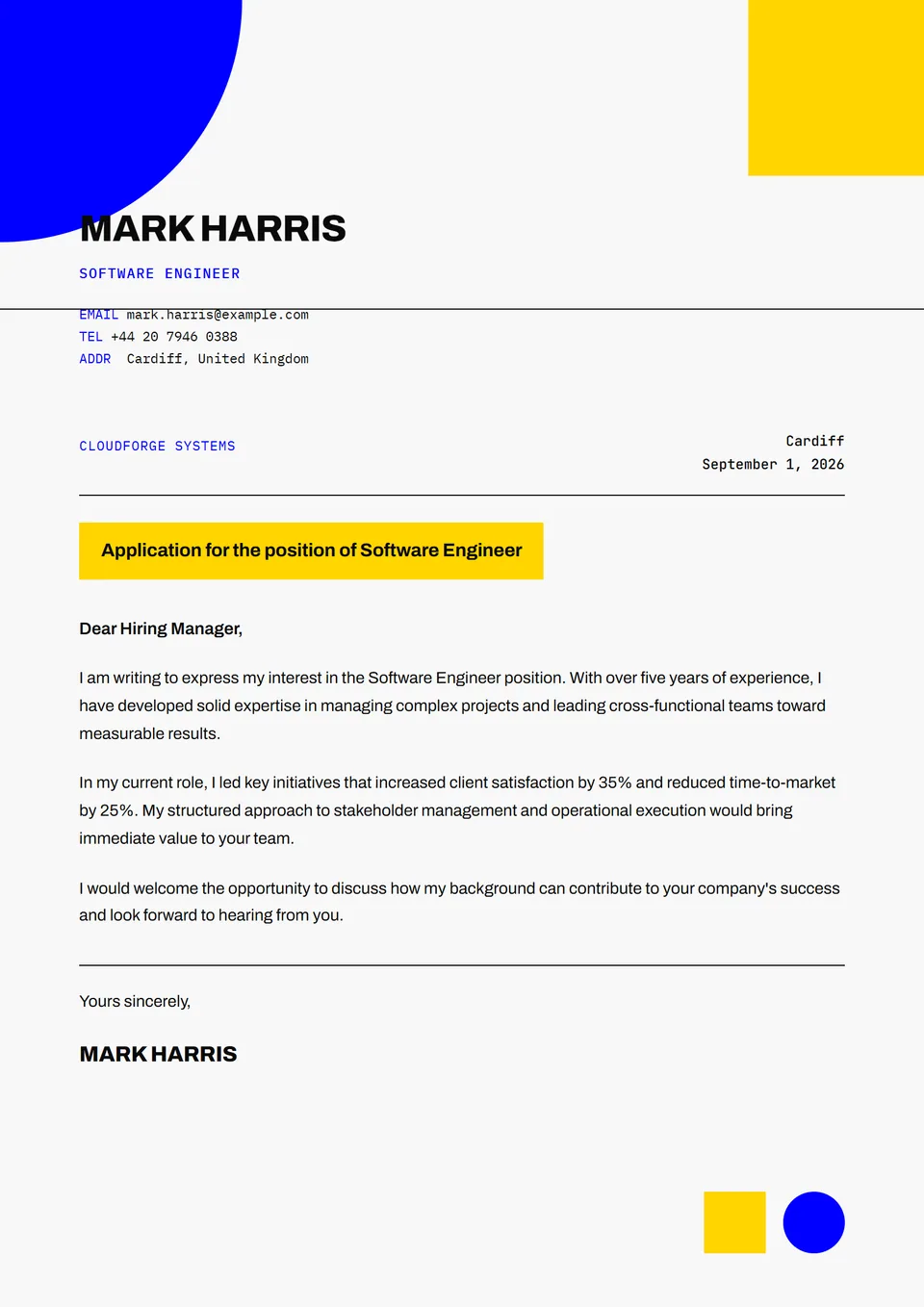
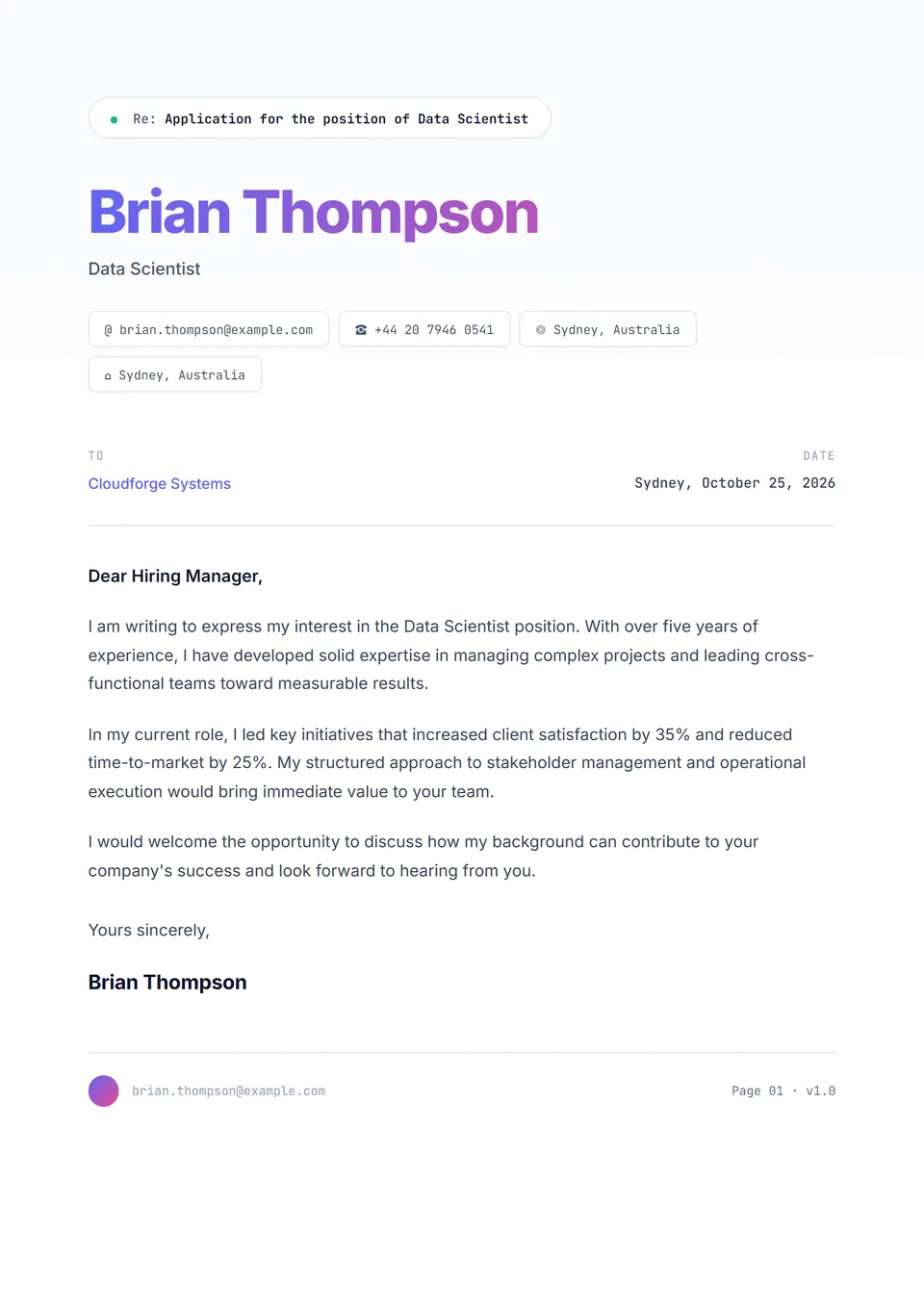
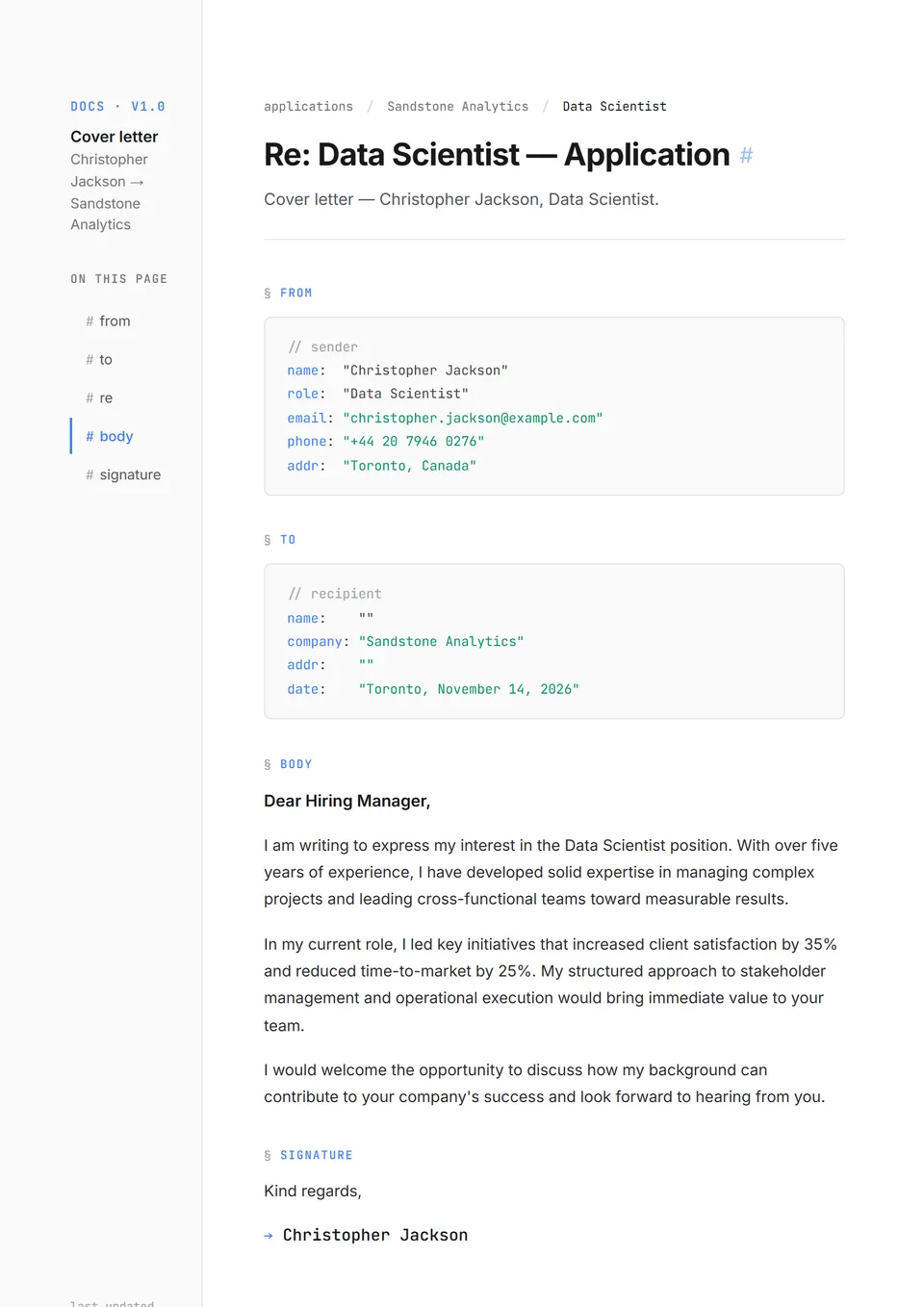
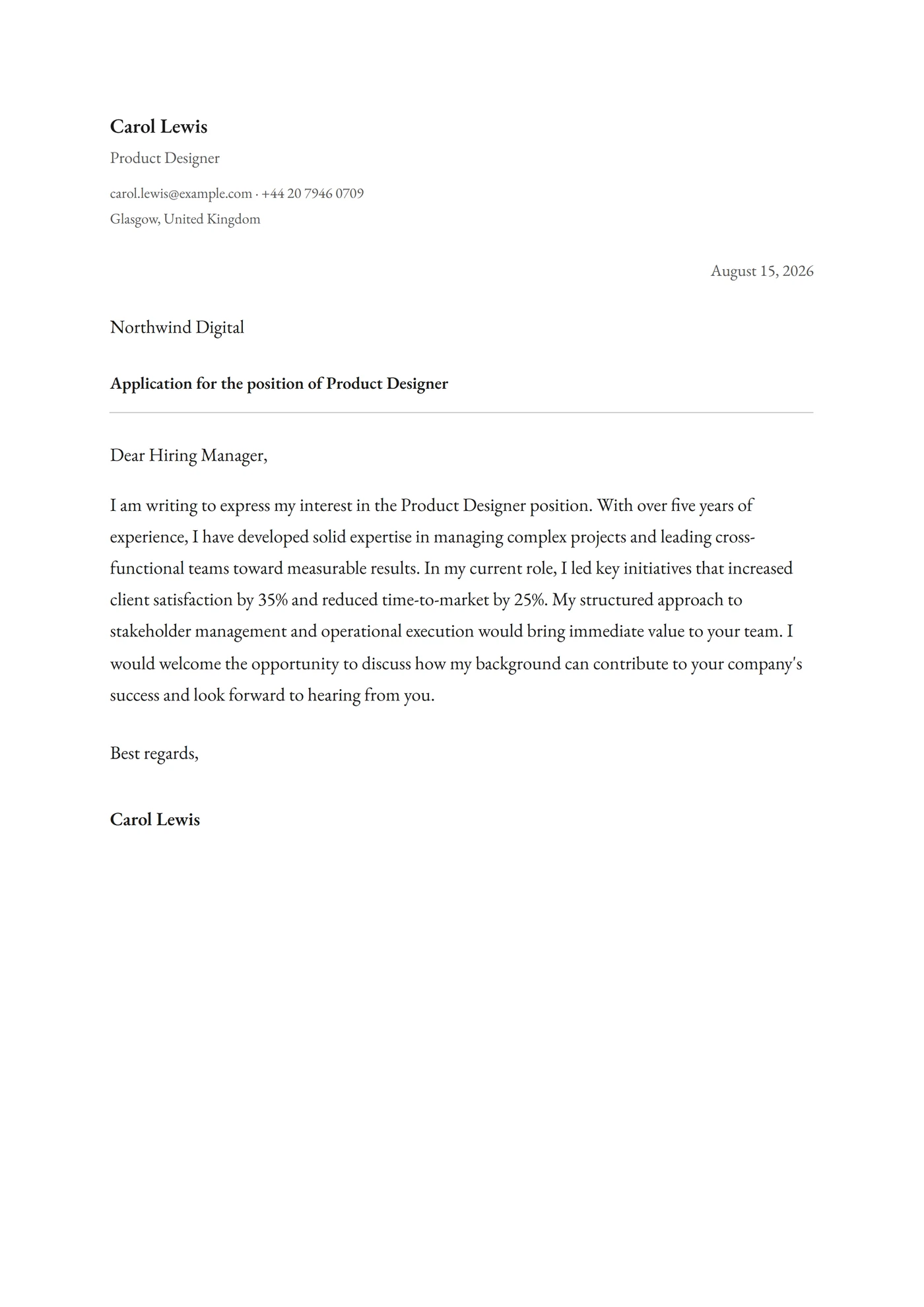
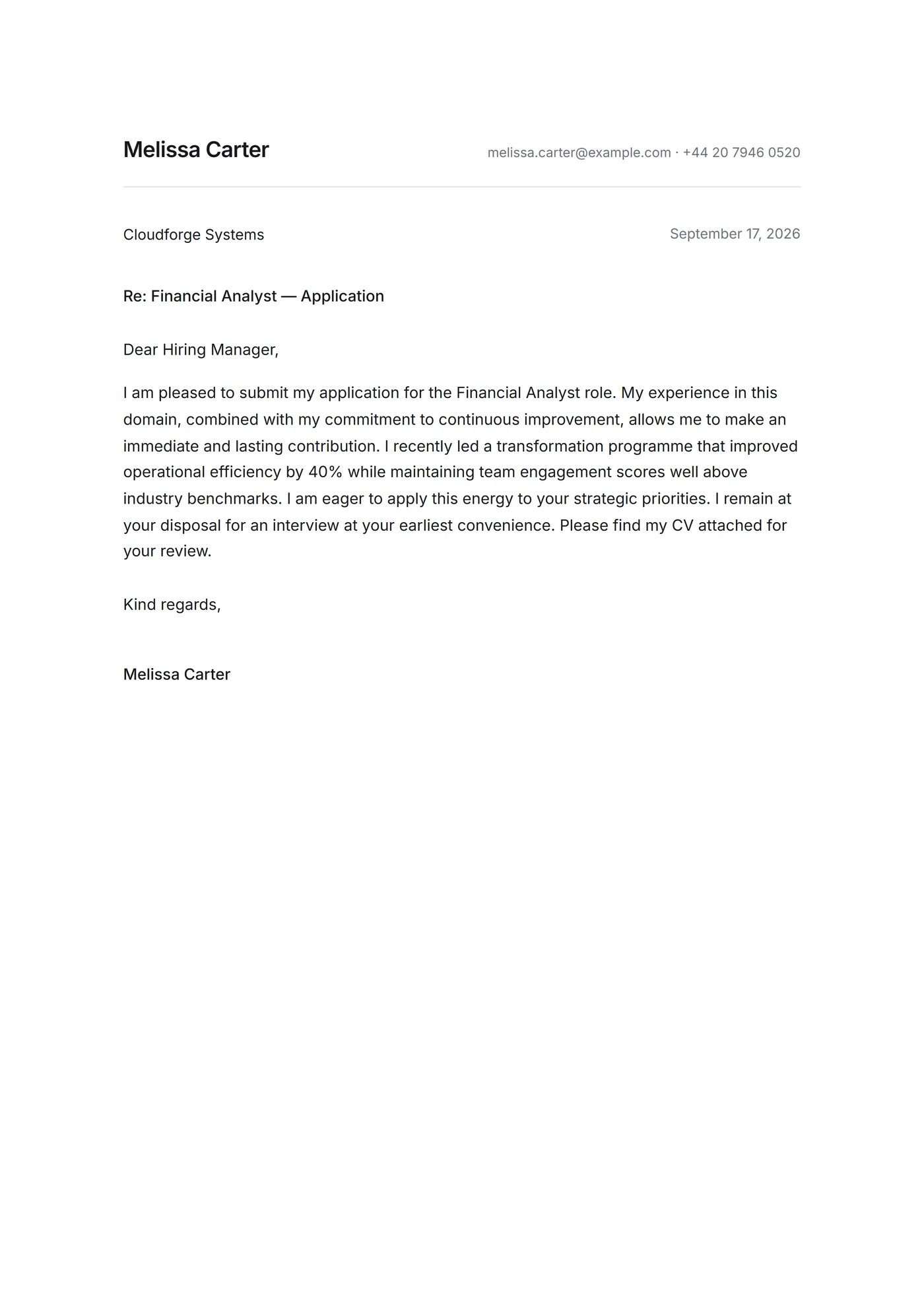
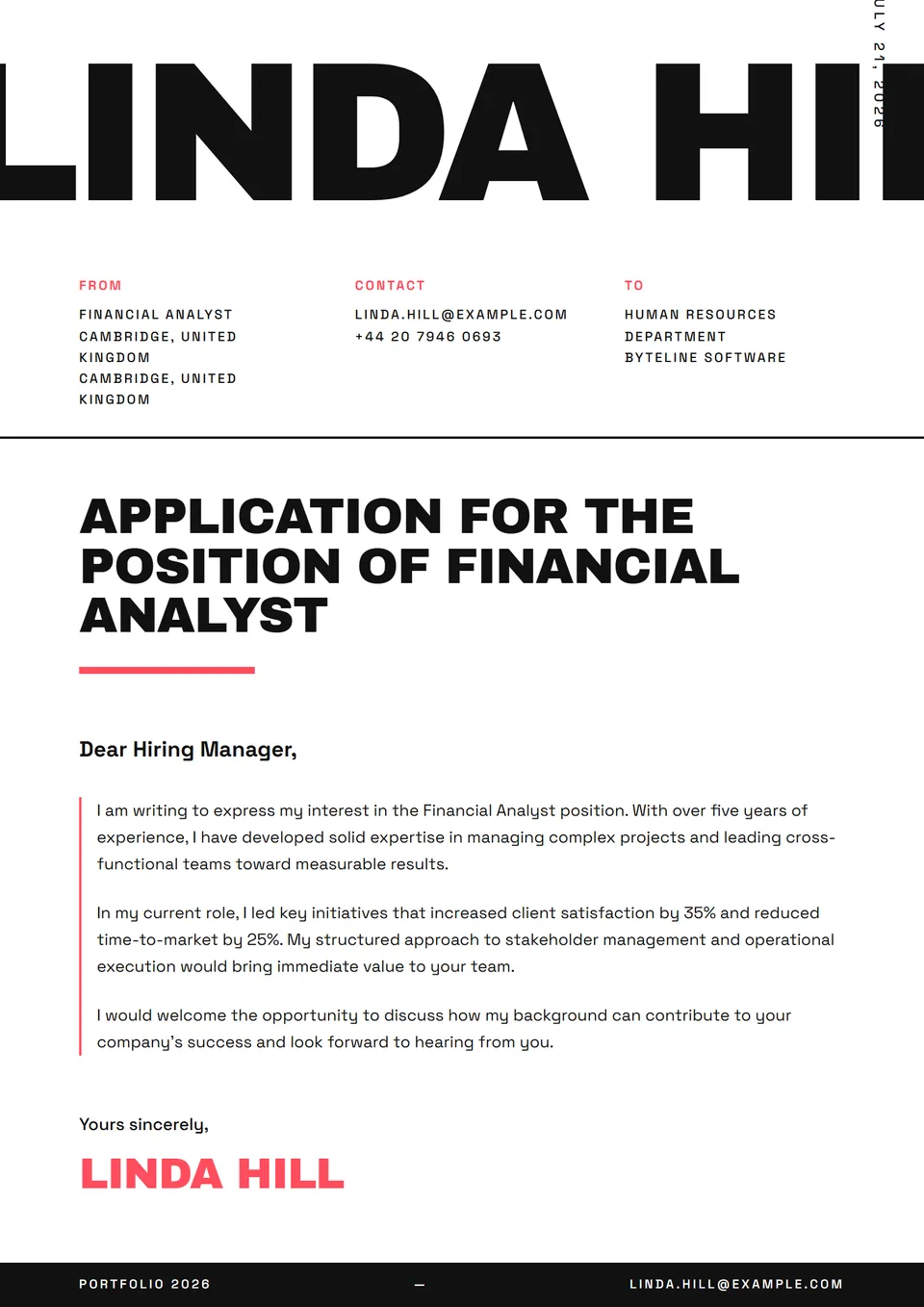
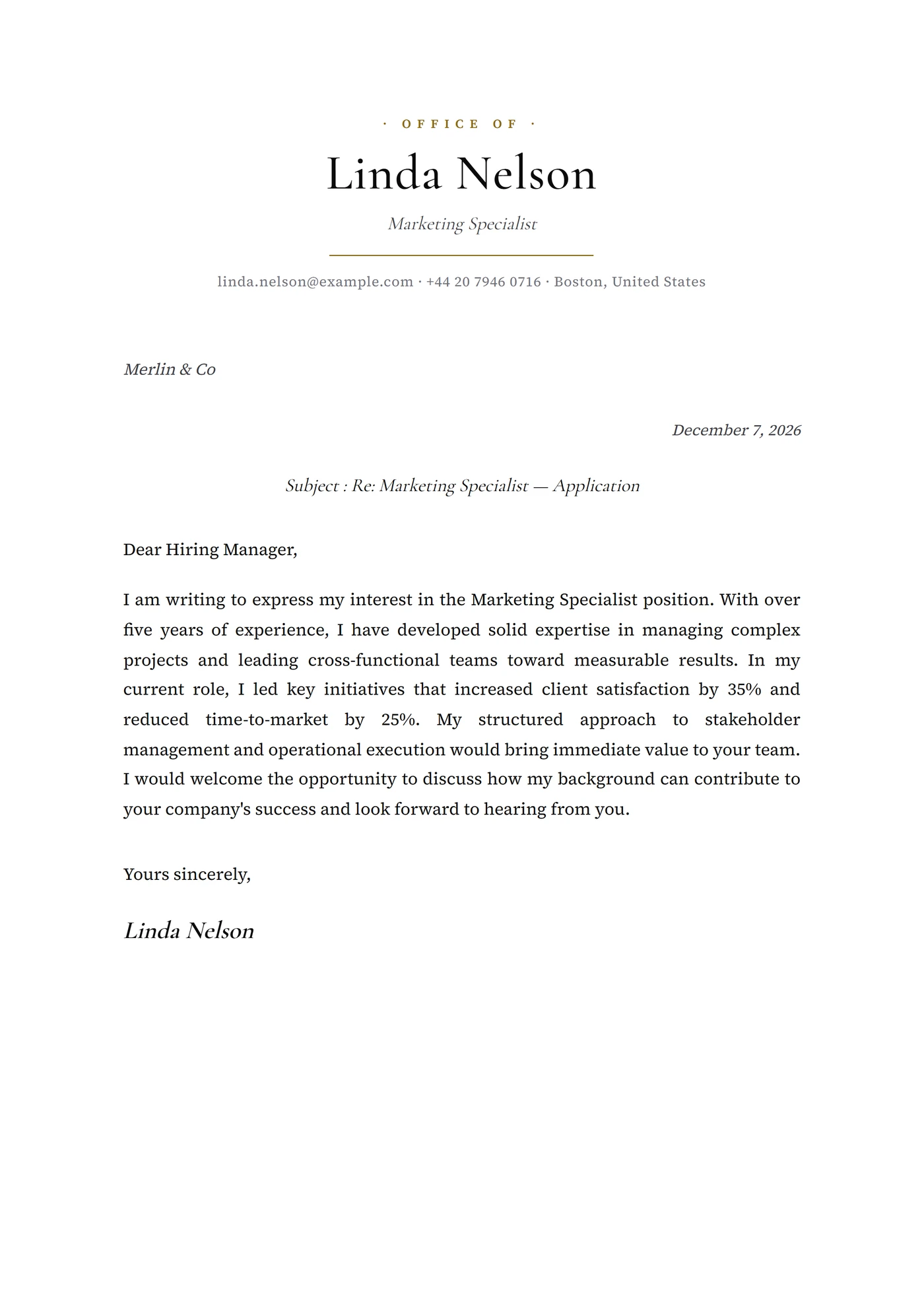
The Moss Stone template is a modern cover letter on a slate background with a moss-green accent block in the header and a Source Serif body. Muted-sage headings, a dark-slate signature anchor — a mineral-and-vegetal pairing that speaks to environmental and impact-finance profiles. It parses through finance and consulting ATS (Workday, Cornerstone, SAP SuccessFactors) and specialised platforms (Acre, Climatebase, B Work, ChangeNOW).
Who is it for?
It suits sustainability consultants (BCG GAMMA Climate, McKinsey Sustainability, ERM, Anthesis), environmental scientists, landscape architects (RISD landscape, GSD Harvard MLA), sustainable-construction specialists (passive-house certification, LEED Platinum project leads), organic-food brand managers and impact-finance analysts (Generation Investment Management, Bridges Fund Management, Just Climate, Earthshot Ventures). The mineral-vegetal code signals subject maturity, not activist enthusiasm.
How to use it
The sustainability cover letter must avoid greenwashing through precision: name methodologies (GHG Protocol Scope 1-2-3, Science Based Targets initiative, TCFD recommendations, EU Taxonomy when relevant), reporting frameworks (CSRD, SFDR, ISSB IFRS S1/S2) and the scale of perimeters covered. For a consultant, list delivered engagements and their measured impact (tCO2e avoided, % improvement). For an impact analyst, state the funds covered and the ESG KPIs tracked.
Frequently asked questions
How do I prove genuine engagement without sliding into activism?
Stay factual — credentials (Climate Reality Project leadership, Cambridge Sustainability Leadership, GRI certification), dated volunteer commitments and quantified impact figures. Avoid superlatives ("passionate about the planet"). Sustainability recruiters screen out superficial profiles immediately — quantified restraint reads as a seriousness signal.
Does the field prefer scientific or business profiles?
Both have a place. Sustainability consultancies (BCG GAMMA, McKinsey Sustainability, ERM) hire science-business dual profiles. Impact funds (Generation, Bridges) want a solid finance background plus ESG sensitivity. NGOs (WWF, EDF, NRDC) tend to hire scientists or environmental lawyers. Match your angle to the target — generic ESG framing reads as undifferentiated.
Does it suit a low-carbon architecture application?
Yes, particularly for firms that openly claim an environmental approach (Lake|Flato, Brooks + Scarpa, Snøhetta sustainability practice). Mention building certifications (Passive House, Living Building Challenge, LEED Platinum, BREEAM Outstanding) and energy-simulation tools mastered (EnergyPlus, IES VE, DesignBuilder). The technical proof closes the loop on the visual code.