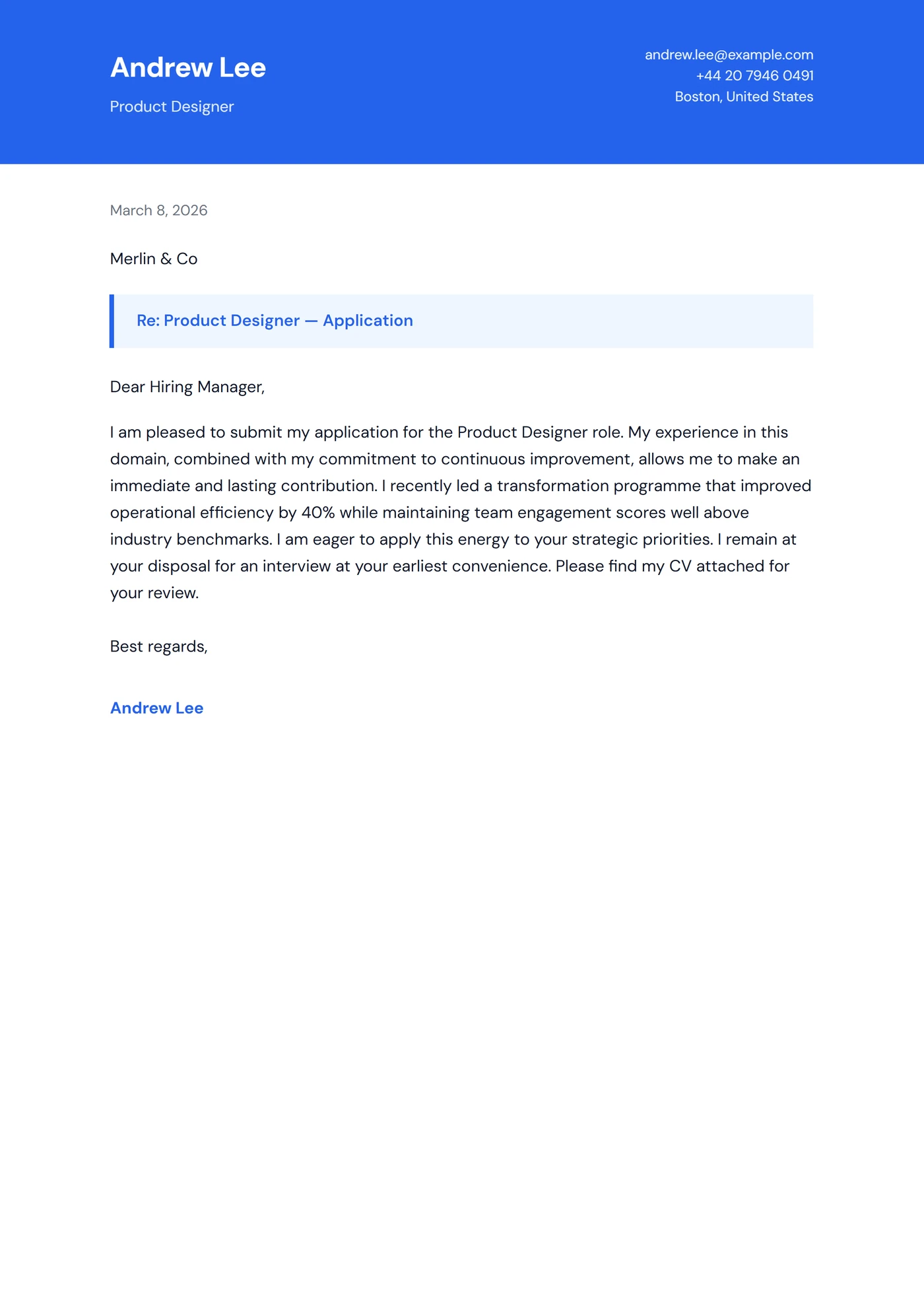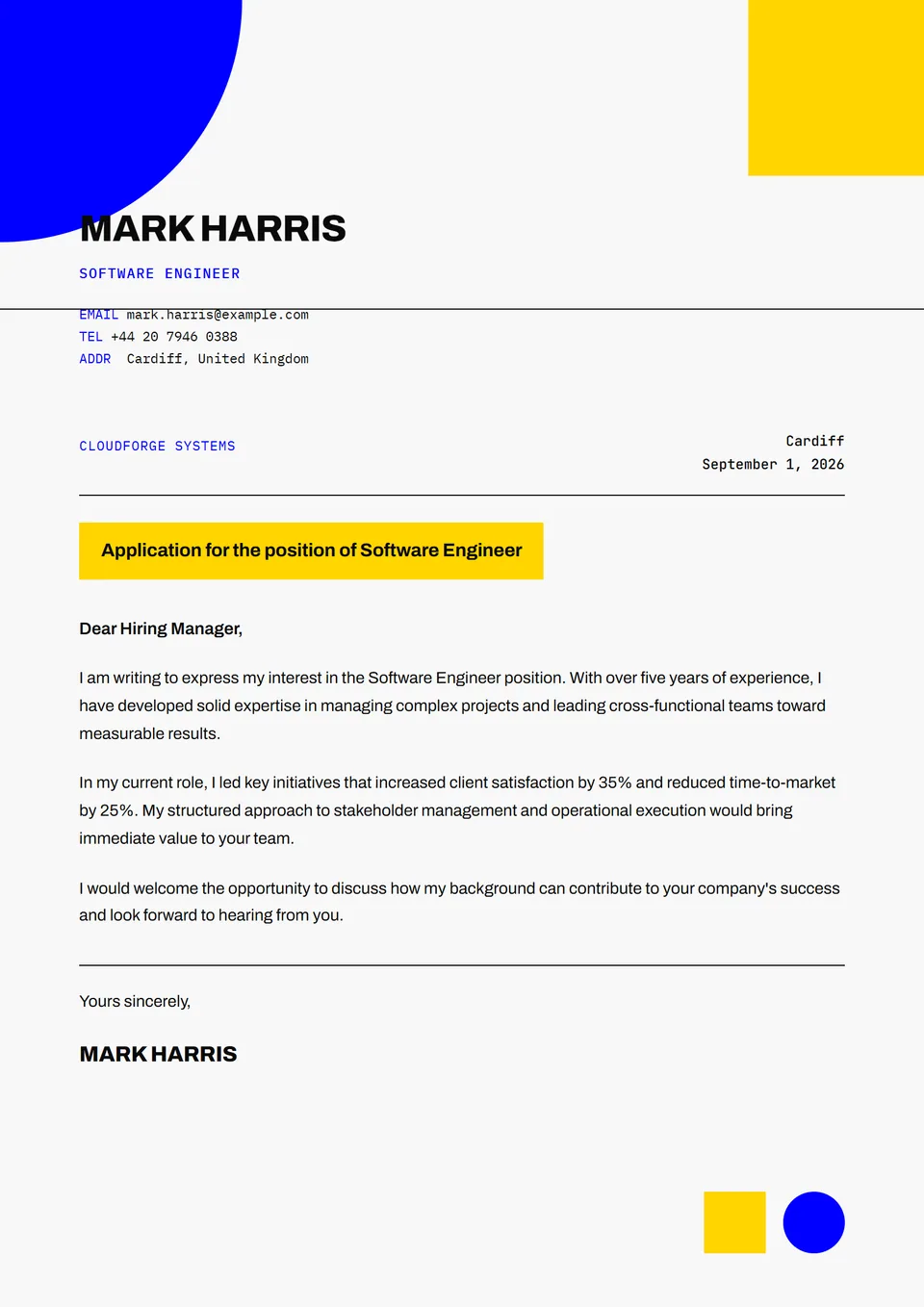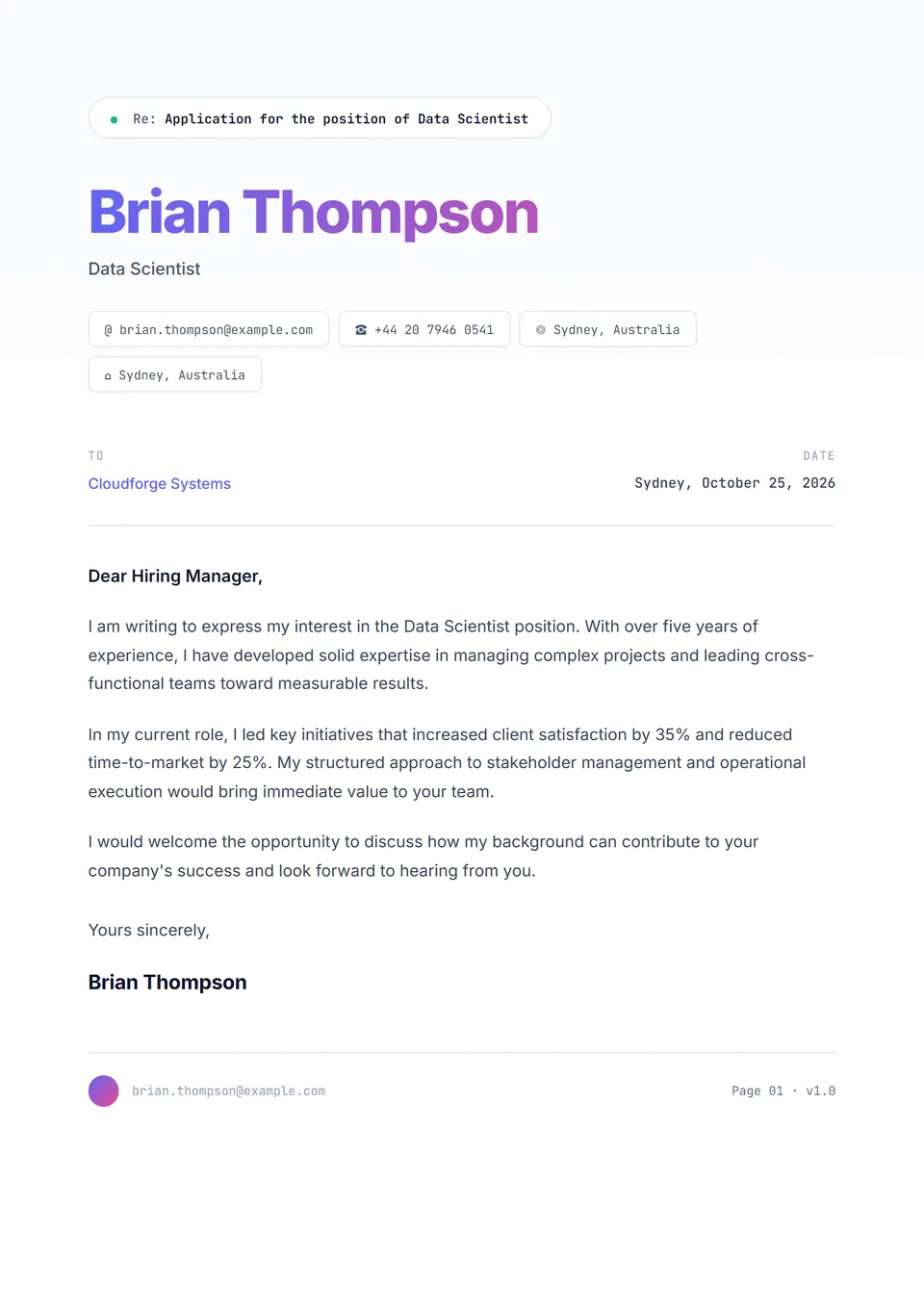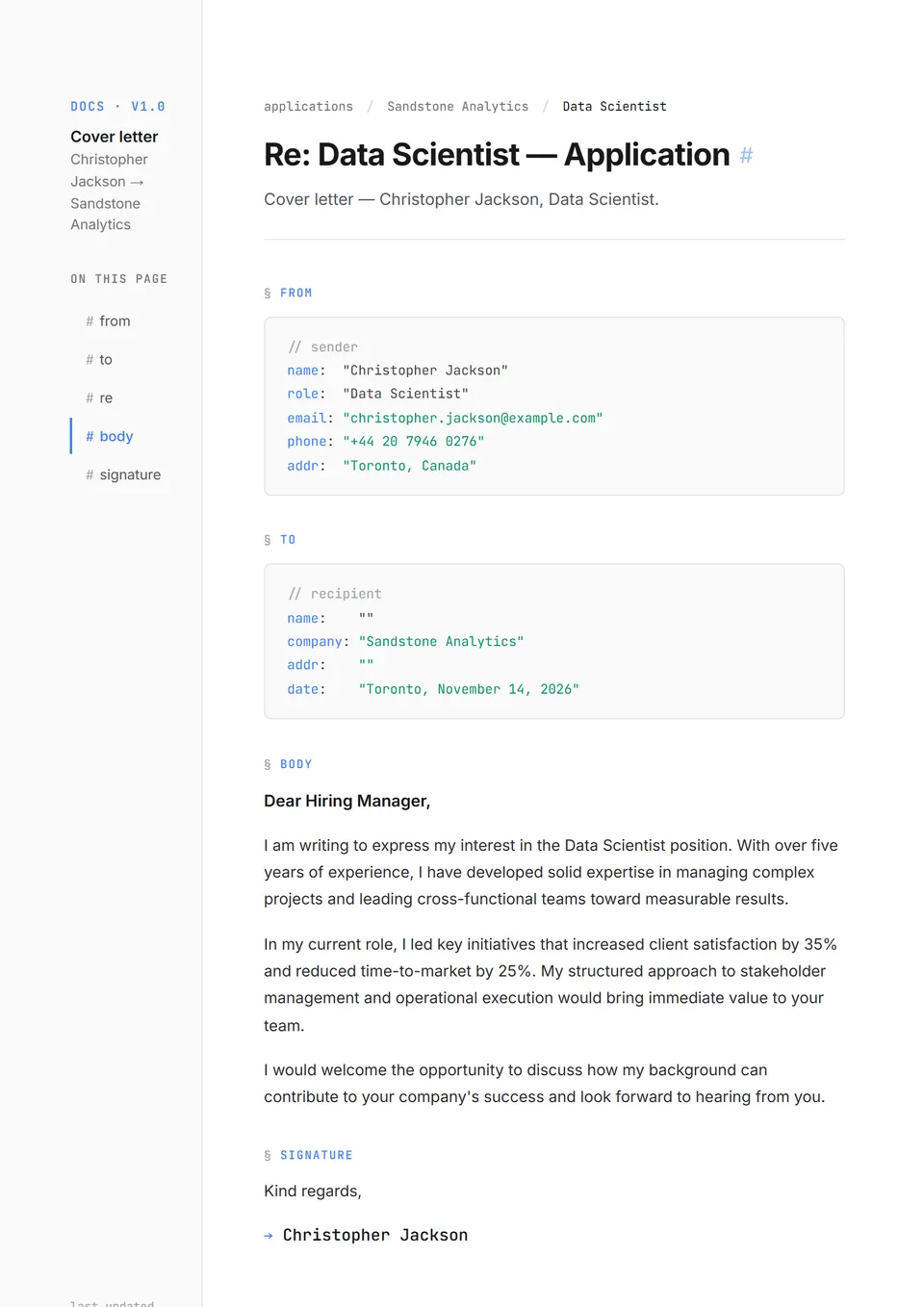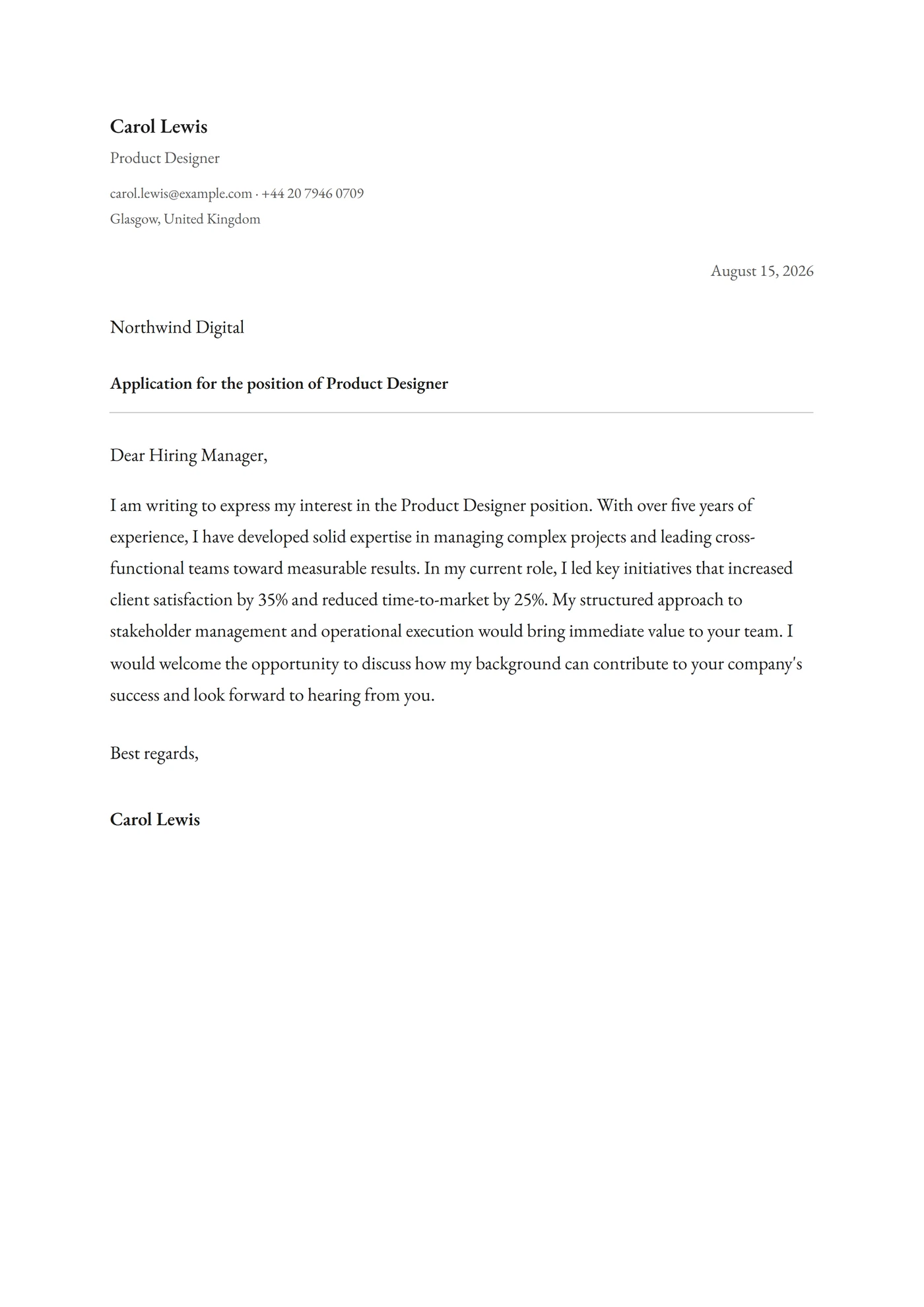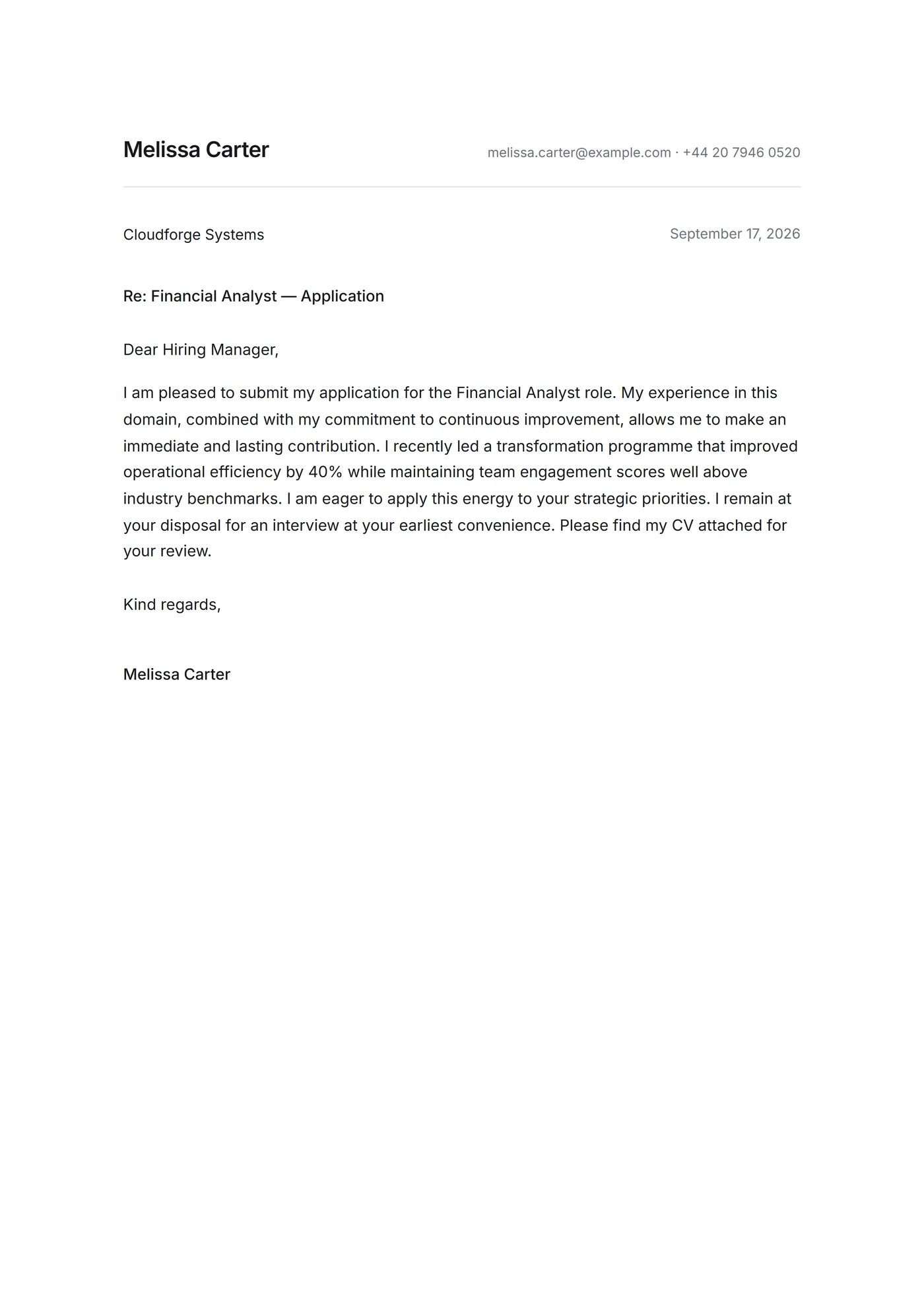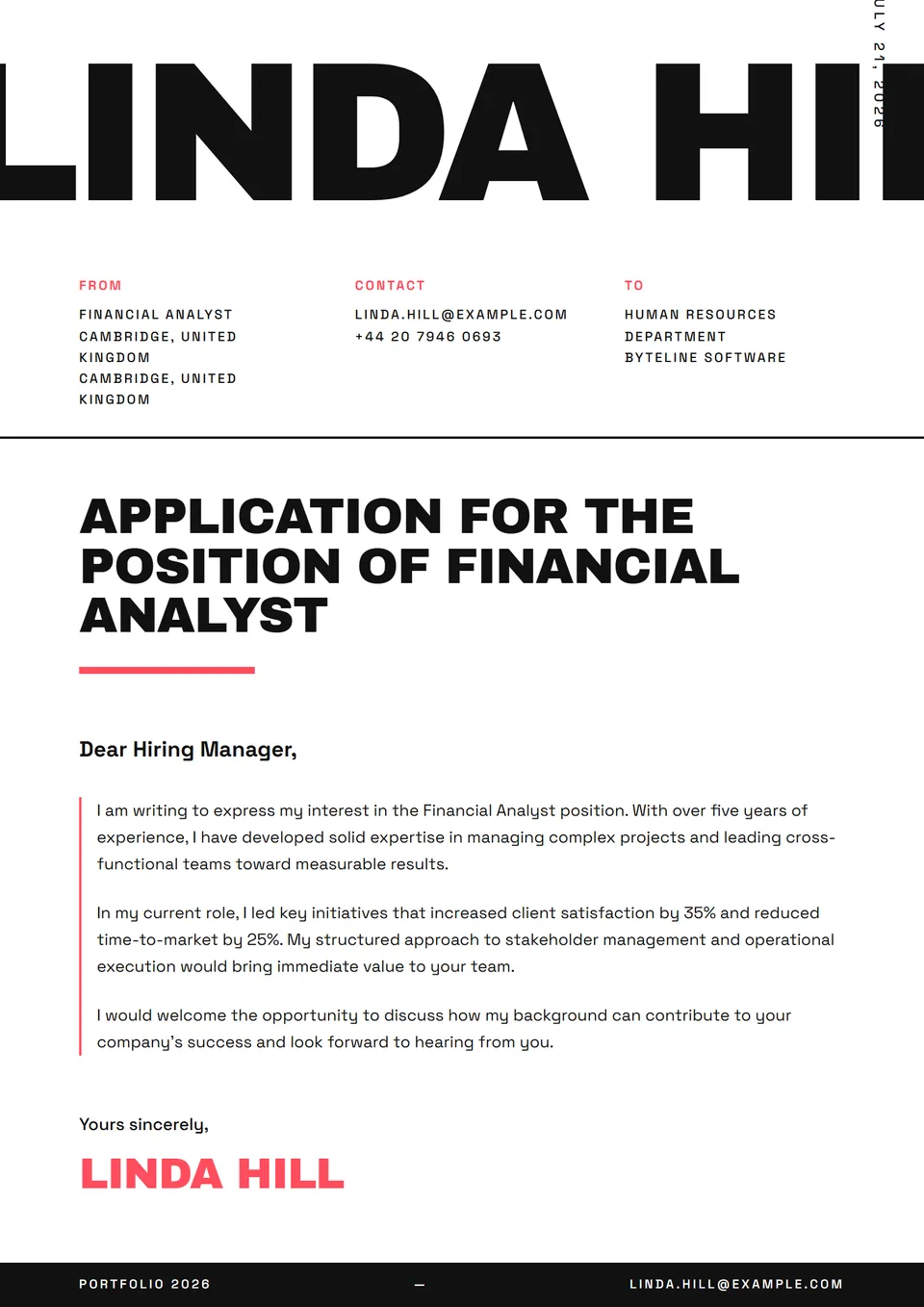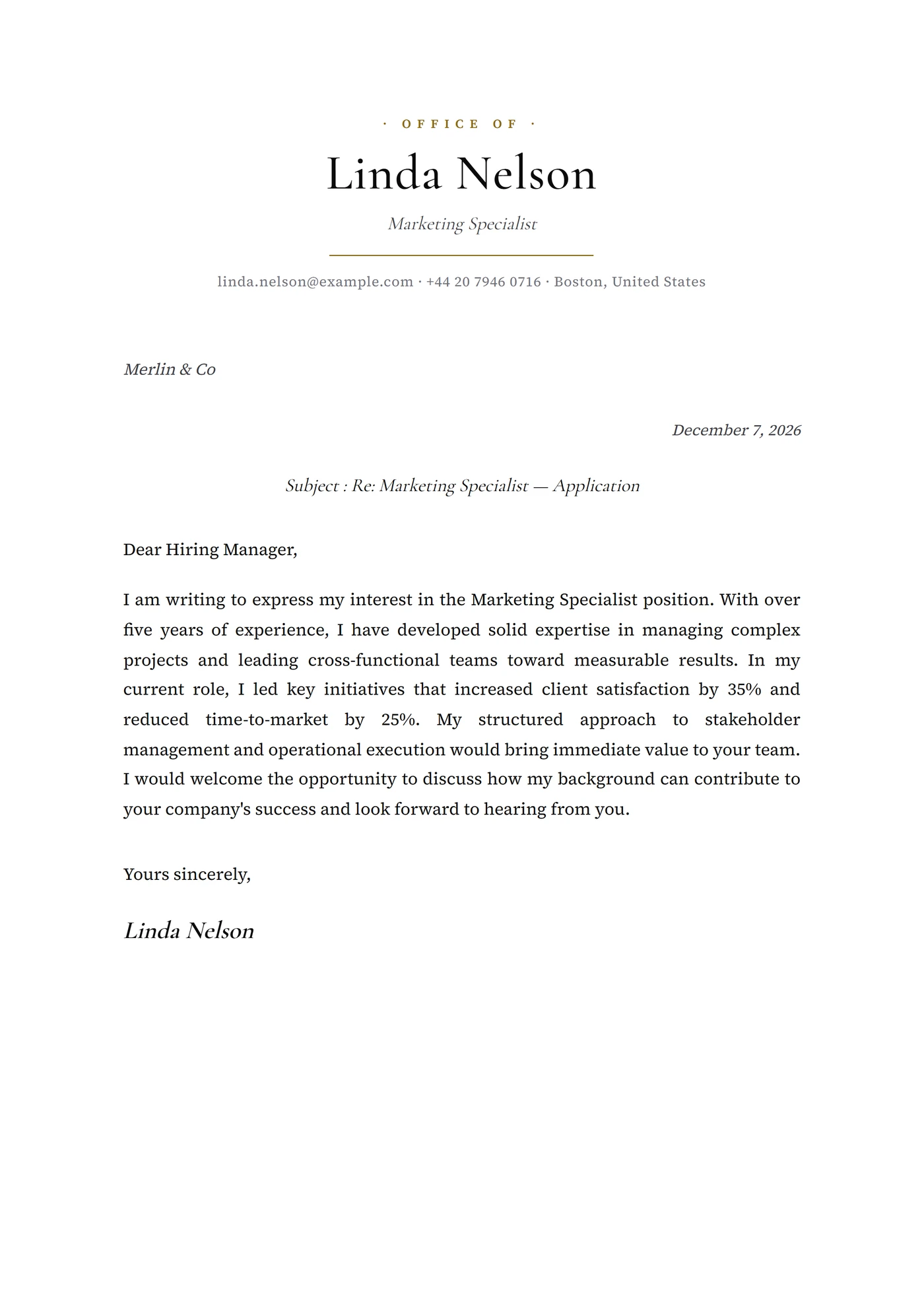
About this template
The Modern Startup template is a cover letter with a pitch-deck flavour — a large Söhne title, an accent gradient between two key bullets and an Inter body. Compact, scannable, built for founders who will read it in thirty seconds between two fundraising calls. It parses through startup ATS (Greenhouse, Lever, Ashby, Trello-based for early-stage) dominant in the YC and Series A-B ecosystems.
Who is it for?
It suits founding engineers, early product hires, growth and BD profiles at seed-to-Series B startups (Anthropic, Mistral, Notion, Linear, Vercel, Stripe), generalist operators, chiefs of staff and early marketing hires. Particularly suited to applications where the founder reads letters directly before HR delegation — typical phase between seed and Series A.
How to use it
The startup cover letter must open with a hard, precise fact ("I built Notion's first growth funnel and took ARR from 0 to $1M in 14 months"). Three paragraphs maximum, two metrics per paragraph, no prose. Address the founder by first name if you're writing directly, and mention one recent product or strategic decision you find smart. The founder wants a signal of sincere attention, not a template application — generic interest screens out immediately.
Frequently asked questions
Should I attach a strategic memo?
For a founding engineer or first product hire, yes — a one or two-page memo on what you would do in the first 90 days is very well received. Name a problem observed from the outside (perf, churn, onboarding) and three improvement hypotheses. That's the format founders read first.
How do I find the founder's direct email?
Hunter.io, RocketReach and Apollo give public emails for most US founders Series A-B. Cross-check with their X/LinkedIn profile to verify spelling. Avoid auto-generated contact@ — it lands in the ops inbox, not with the founder. A direct named email has a 5-10× response rate over generic inbound.
Is the pitch-deck format too aggressive for a speculative application?
No — it's exactly the format expected for speculative startup applications. Founders read fast and look for the "this person thinks like us" signal. A classic formal letter is read as a startup-culture mismatch. The pitch-deck shape is the native code of the milieu — anything else looks foreign.